Like many others, every morning I wake up to news of another AI breakthrough. With the “battle of the LLMs” raging, it is increasingly harder to tell where human ability ends and machine capability begins.
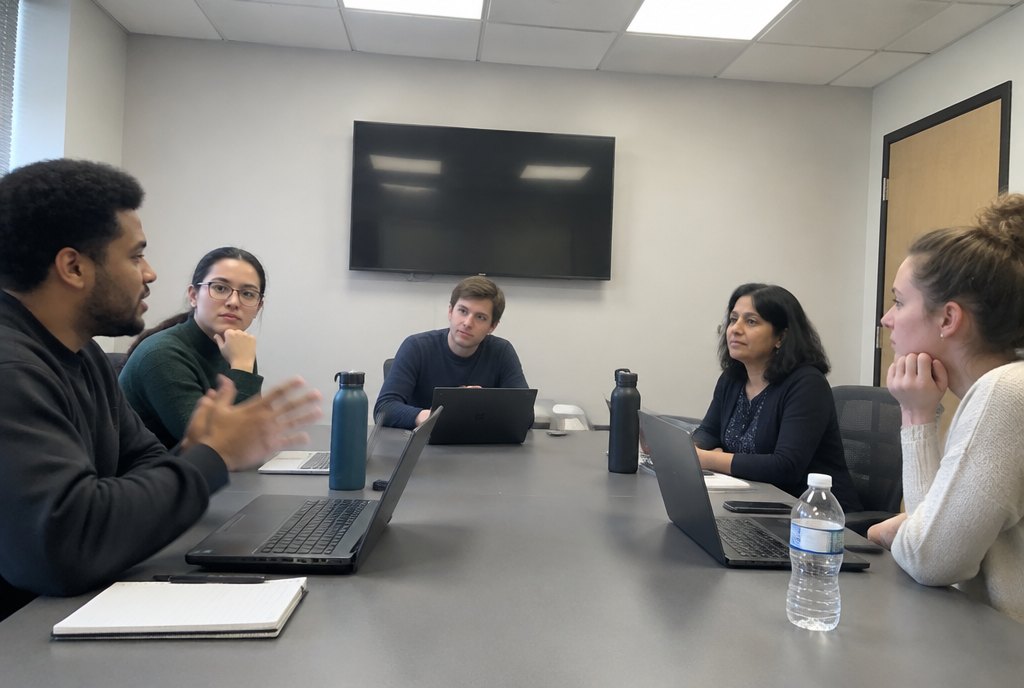
Having built and scaled engineering teams for over a decade, I've seen thousands of approaches to solving technical problems, but nothing has transformed our ability to build software products quite like the union of AI and distributed tech talent. The old playbook of housing all your engineers in an office, bound by traditional hours and geographical constraints, isn't just outdated—it holds companies (and individuals) back from reaching their full potential.
Leveraging AI As A Team
This is not merely academic: I’ve had the front row seat at watching AI transform what our teams can achieve. Just last month, one of our teams tackled what should have been a system architecture project that spanned for multiple sprints. Our engineers leveraged AI to predict bottlenecks and suggest optimizations, and reduced what would have been weeks of planning & analysis to days of focused, strategic problem-solving.
And here’s the key: This isn’t about replacing human creativity—it's about amplifying it. Our developers spend less time debugging mundane issues and more time solving the meaty problems that actually matter to our partners. Our AI tools handle the busy work, writing boilerplate code and scaffoldings, while our engineers focus on the strategic thinking that machines simply can't replicate.
The benefits extend far beyond mere efficiency gains. Combining AI with remote tech talent also leads to diversity of thought. Engineers from different cultures and technical experiences bring their own perspectives to problem-solving, while AI tools provide insights that might not be immediately apparent to human teams. The hybridness of this approach has enabled us to tackle business challenges in ways that would be impossible with either AI or human talent alone.
We're seeing faster development cycles, more innovative solutions, and—most importantly—better alignment with our partners’ business objectives.
The Future We See: Human Creativity & Artificial Intelligence
At Deverr, we think that the future of engineering lies in deliberately fusing human creativity and artificial intelligence, distributed across a global talent network. Companies that embrace this model will be more resilient, more innovative, and better positioned to deliver solutions that truly matter to stakeholders. With every AI breakthrough, one thing becomes increasingly clear: the combination of remote tech talent and AI isn't just an alternative approach—it's the future of software engineering.